
Skip To Main Content

Hafner Vineyard

Our Blog - The Press

Rosé Color

Malbec GrapesFor us, the hardest part of producing Rosé is the color. It seems like every year the color is slightly different than the last. That is because the color comes from the skins. When we began making Rosé in 2011, it was made following the French technique called "saignée". The color of the saignée juice is typically dark pink because the grapes are being picked for red wine…the grapes are riper, the skins are thinner, and they release color more readily. As production grew, we incorporated another technique "direct to press". Blending the saignée and direct to press wines allowed us to produce a crisper, brighter flavored Rosé similar to Provencal Rosés that was also lighter in color.
Read More...

Chardonnay Ageability

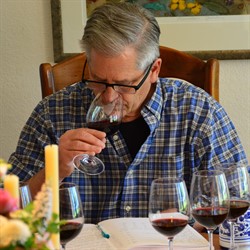
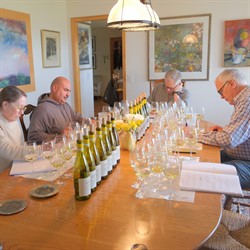
Chardonnay TastingWe recently had our annual Vertical Tasting of main and Reserve Chardonnays where we tasted eight vintages of each to see how they are aging. We were pleased with both flights. In this video, I share a few thoughts on the two tastings and explain how our Chardonnays age. Our goal is to make wines that age well and pair well with food. We look forward to hearing your thoughts on vintages you have in your cellar.

Read More...

French Intern Victor

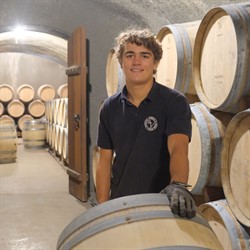
Victor in Caves HafnerAs many of you know, we have a longstanding internship program which began in 1985 when a friend of a friend asked me if I would host a French enology student. As former interns in Burgundy, France, Sarah and I understood how impactful an internship could be…so we said “Yes” and hence our internship program was born. Now, 39 years later, we welcomed our 39th intern – Victor Le Grix de la Salle to the winery and into our home.

Read More...

Sediment in Wine

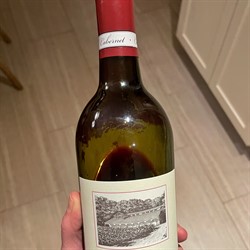
Sediment in WineWe are often asked, “What is the sediment in my glass and why is it there?” As Master of Wine and Master Sommelier Gerard Basset explained, “They are harmless by-products of wine, and some equate their presence as a mark of quality, in that the wine has not been overly manipulated in the cellar." Tartrate crystals, often referred to as “wine diamonds”, come from tartaric acid which is one of the three acids naturally found in grapes. 

Read More...

Smoke Taint in Wine

Smoke Taint TrialWe have lived through several wildfires, but none was more impactful or harrowing than the Kincade Fire that reached our ranch in October 2019. We were aware of the impact of smoke taint, but this was our first experience. Here we share what we learned from producing our 2019 Cabernet pre and post fire. With a wine that has smoke taint, the smoky aromas can be appealing, but it is in the mouthfeel and aftertaste that smoke taint reveals its unpleasant character. Ultimately, we decided to sell all of the wine produced after the fire. That means we have less than half of our normal production for the 2019 Cabernet that was just released. 

Read More...

Archive