

Why it matters
Land is only borrowed from the next generation
For almost 60 years, Hafner Vineyard has farmed the same land in Sonoma County's Alexander Valley with a simple goal: grow exceptional grapes while leaving the vineyard healthier for those who farm it next.
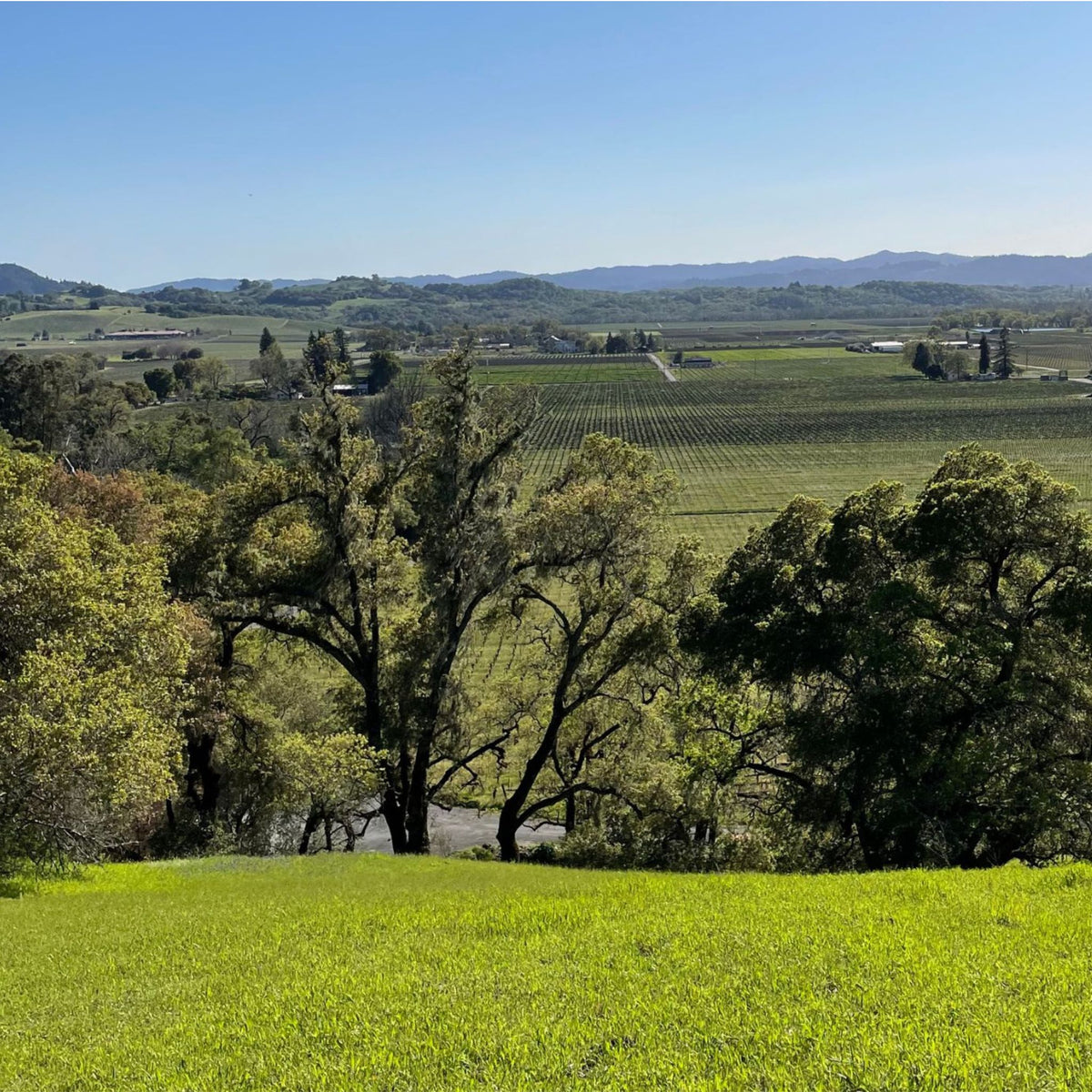
Grapes have been grown on this property since the late 1800s. Today, 100 of our 250 acres are planted to Cabernet Sauvignon, Chardonnay, Malbec and Petit Verdot, while the remaining acreage remains oak woodland, creek habitat and open space. Every decision from pruning vines to managing water is made with the long-term health of the vineyard and overall land in mind.
Overall, our farming practices have a negative carbon footprint. This was achieved through practices below and because we have left two-thirds of our land untouched oak woodlands which sequester carbon.
We are proud to be Certified Sustainable by the California Sustainable Winegrowing Alliance, Climate Adaptation Certified, and Fish Friendly Farming Certified.

Farming for the Long Term
Unlike many vineyards that focus only on this year's crop, we farm with decades in mind. Healthy soils, healthy vines and healthy ecosystems produce better fruit, and ensure this land continues producing grapes for generations to come.
Every vineyard block is matched to the rootstock and clone best suited to its soils. Our experienced vineyard team, led by Vineyard Manager David Huebel, carefully manages each block throughout the growing season, combining sustainable, organic and conventional practices where each makes the most sense.

Building Healthy Soil
Healthy soil is a foundation of high quality wine.
We improve our soils by:
- Planting cover crops that naturally add Nitrogen (eliminating the need for fertilizers), improve biomass and soil structure and reduce erosion
- Using under the vine cultivation which means we haven't sprayed herbicides in the vineyard for over 30 years
- Adding pruned canes to the vineyard where they are tilled back into the soil
- Creating biochar and compost to mix into the vineyard
- Using our electric tractor to mitigate our carbon footprint
These practices improve the soil, increase water retention and help produce balanced vines capable of consistently growing premium wine grapes.

Farming With Nature
We work alongside nature.
Across the vineyard you'll find practices designed to encourage biodiversity and reduce unnecessary inputs.
These include:
- Wildflower rows that attract beneficial insects
- Hand removal of weeds around each vine
- Cows grazing surrounding grasslands to reduce wildfire fuels
- Native willow restoration along Sausal Creek
- More than 150 acres of protected oak woodland that provide wildlife habitat and act as an important carbon sink
The result is a healthier vineyard ecosystem that supports both grape growing and native wildlife.

Stewardship Beyond the Vineyard
Sustainability extends beyond the vines.
- Naturally temperature controlled wine caves
- Night-air cooling systems that reduce electricity use
- Solar panels generating 33% of the winery's electricity the remaining is 100% renewable local electricity
- Lightweight wine bottles that reduce transportation emissions
- Carbon-neutral wine shipping for every order at no cost to patrons
We believe sustainability isn't achieved through one large initiative, but through hundreds of thoughtful decisions made year after year.

Built on People
Our definition of sustainability includes the people who make Hafner Vineyard possible - team members and patrons.
Nearly twenty families earn their livelihood here, and many members of our team have worked together for more than twenty, thirty or even forty years. That continuity preserves generations of knowledge while creating consistency from vineyard to bottle.
Our commitment extends beyond our employees to our patrons and our community through personal service, long-term relationships that span generations and support of hundreds of nonprofit organizations each year.
For us, sustainability means creating a business that can thrive for generations, not only environmentally, but economically and socially as well.